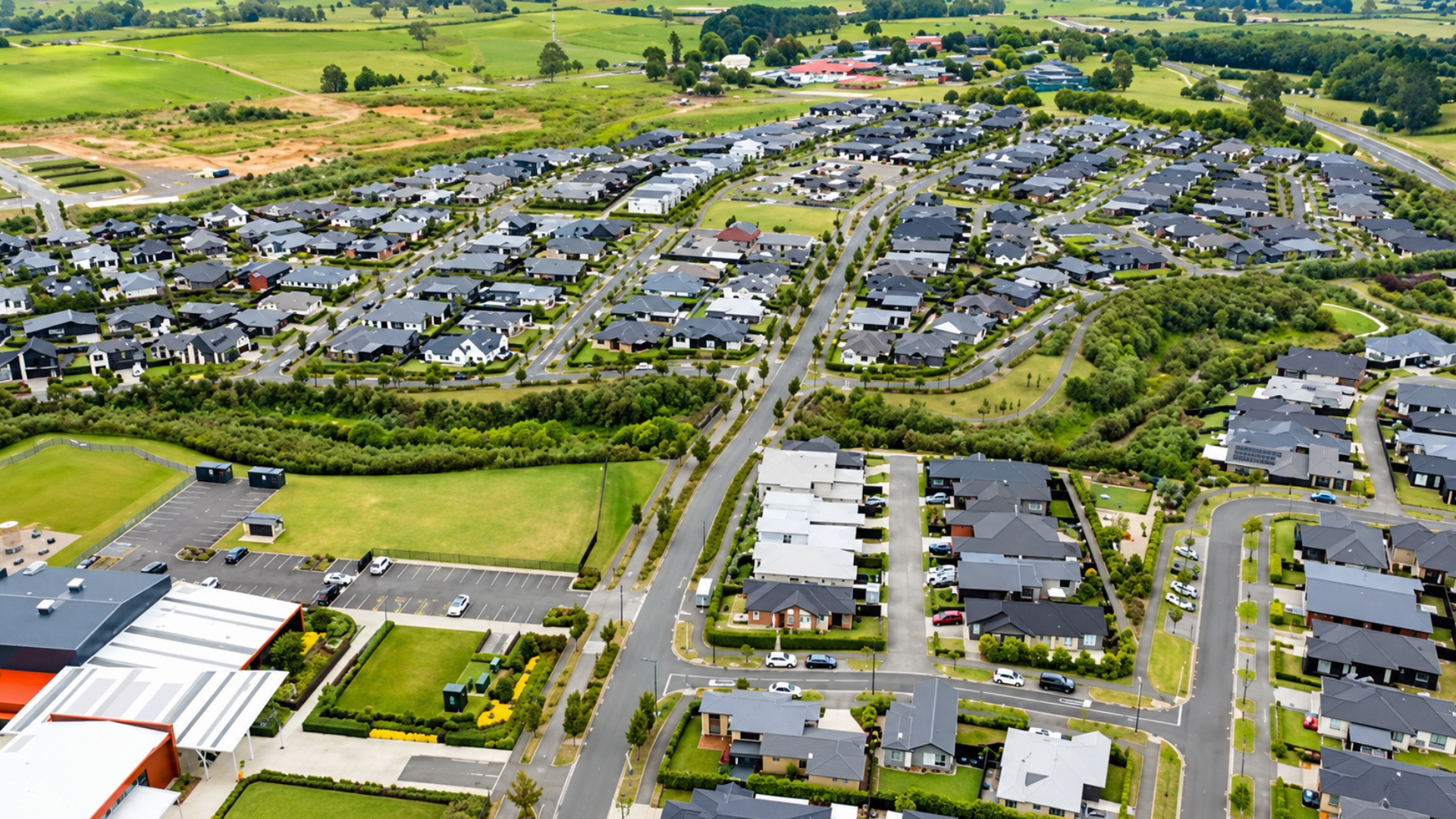
New railway stations, a planned hospital, shopping centres, and thousands of future homes. South Auckland is changing, but what does this growth mean for residential land development?
If you've driven through Drury or Karaka recently, you may have noticed how much the area is changing.
New roads, railway stations and residential developments are gradually changing a landscape once dominated by farmland and smaller communities.
And there's much more planned.
Drury is expected to accommodate more than 25,000 new homes and around 60,000 residents over the coming decades, according to Auckland Council.
For people considering a move south, this could mean more housing choices and better access to everyday services. For landowners, it raises an interesting question: could the changes happening around your property affect its development potential?
To understand that, it's worth looking at what's already happening and what's still to come.
1. New Railway Stations Are Making South Auckland More Accessible
Transport has long been an important consideration for anyone buying or developing property in Auckland.
In August 2026, the new Drury and Paerātā railway stations opened to passengers, connecting these growing areas to Auckland's rail network.
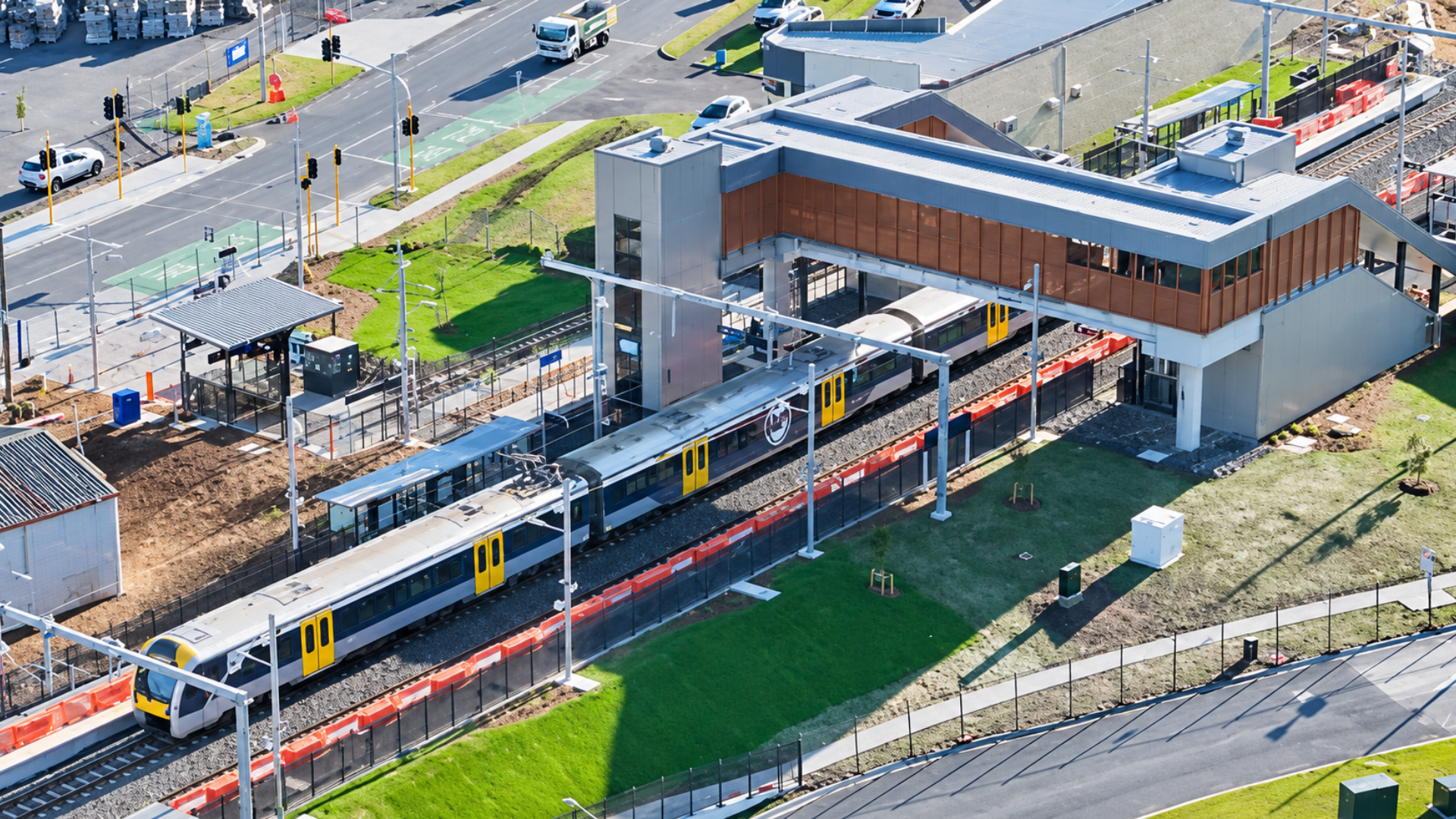
A third station at Ngākōroa is expected to open in 2027.
For someone living in Drury, having a railway station nearby means another option for getting to work, attending university, or travelling into central Auckland.
New bus connections, park-and-ride facilities, walking routes and cycling paths also help make these stations more accessible.
For residential developers, transport connections can influence the layout and appeal of a subdivision.
A site with convenient access to public transport, main roads and local amenities may offer advantages over one that is harder to reach.
However, proximity alone is not enough. Safe vehicle access, suitable road connections and infrastructure capacity still need to be assessed.
2. Drury Is Getting a New Commercial Centre
Imagine being able to do your weekly shopping, visit a café or access local services without travelling to Manukau or further into Auckland.
That is part of the vision for Drury's future metropolitan centre.
Plans for the area include shopping facilities, commercial premises, community spaces and large-format retail.
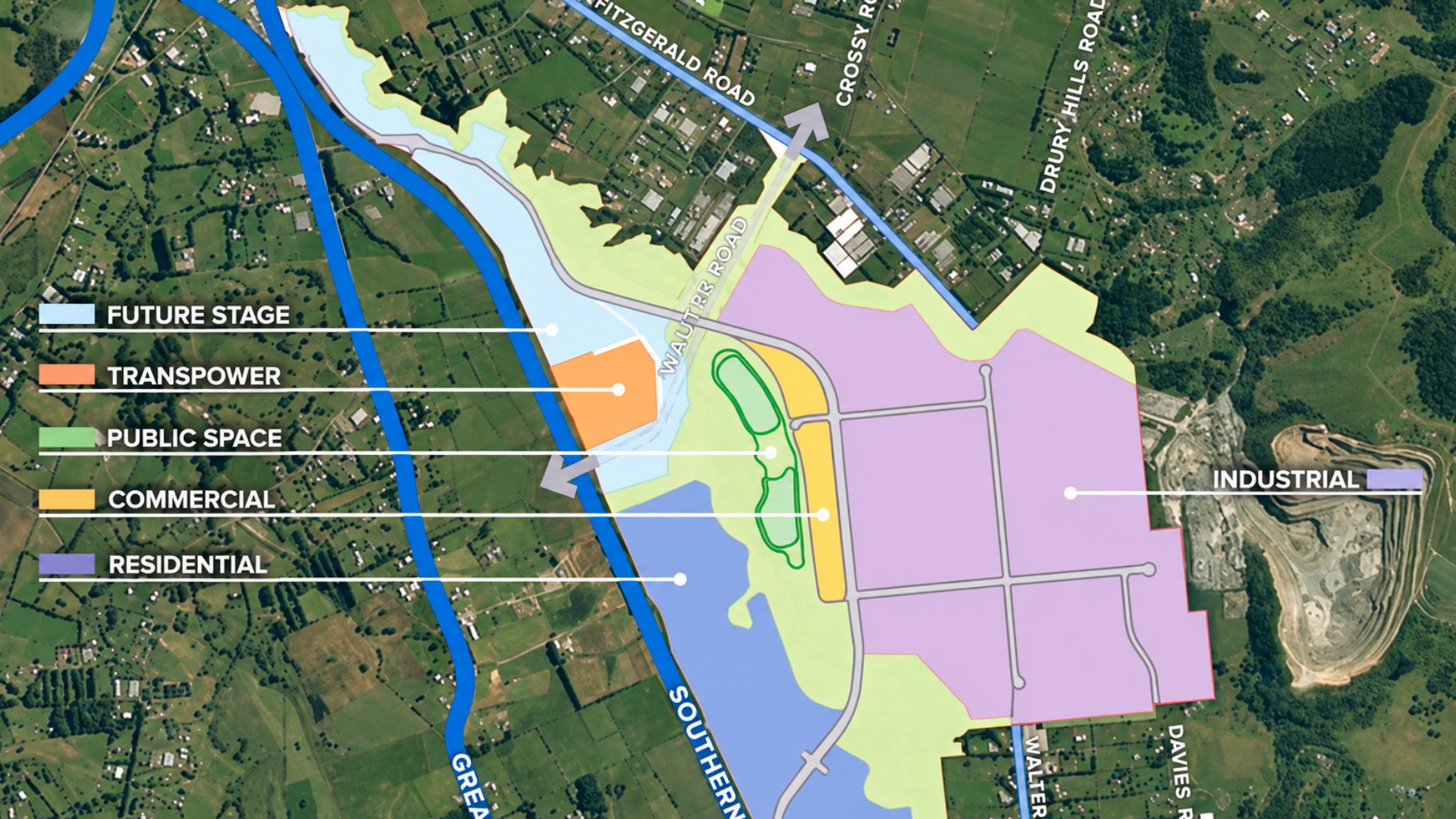
These developments are intended to support the growing number of people expected to live in the area.
There is also significant investment in employment.
Fisher & Paykel Healthcare is planning a major research and development precinct in Drury, with the potential to create more local jobs as the project progresses.
For residential development, nearby employment and shopping areas are worth watching.
People often consider their daily travel needs when choosing where to live. Having workplaces, shops, and services closer to home can make a location more practical.
It is important, however, to distinguish planned commercial developments from businesses that have confirmed opening dates.
3. Schools and Healthcare Are Part of the Growth Plans
Housing growth brings another challenge: making sure essential services can keep up.
For families, access to schools and healthcare can strongly influence where they choose to settle.
In September 2026, the Government confirmed a new specialist school for Drury, expected to open in 2028. Land has also been secured for a future primary school.
Another major announcement followed in October.
The Government confirmed the purchase of a 13-hectare site on Karaka Road for future healthcare facilities, including a major hospital.
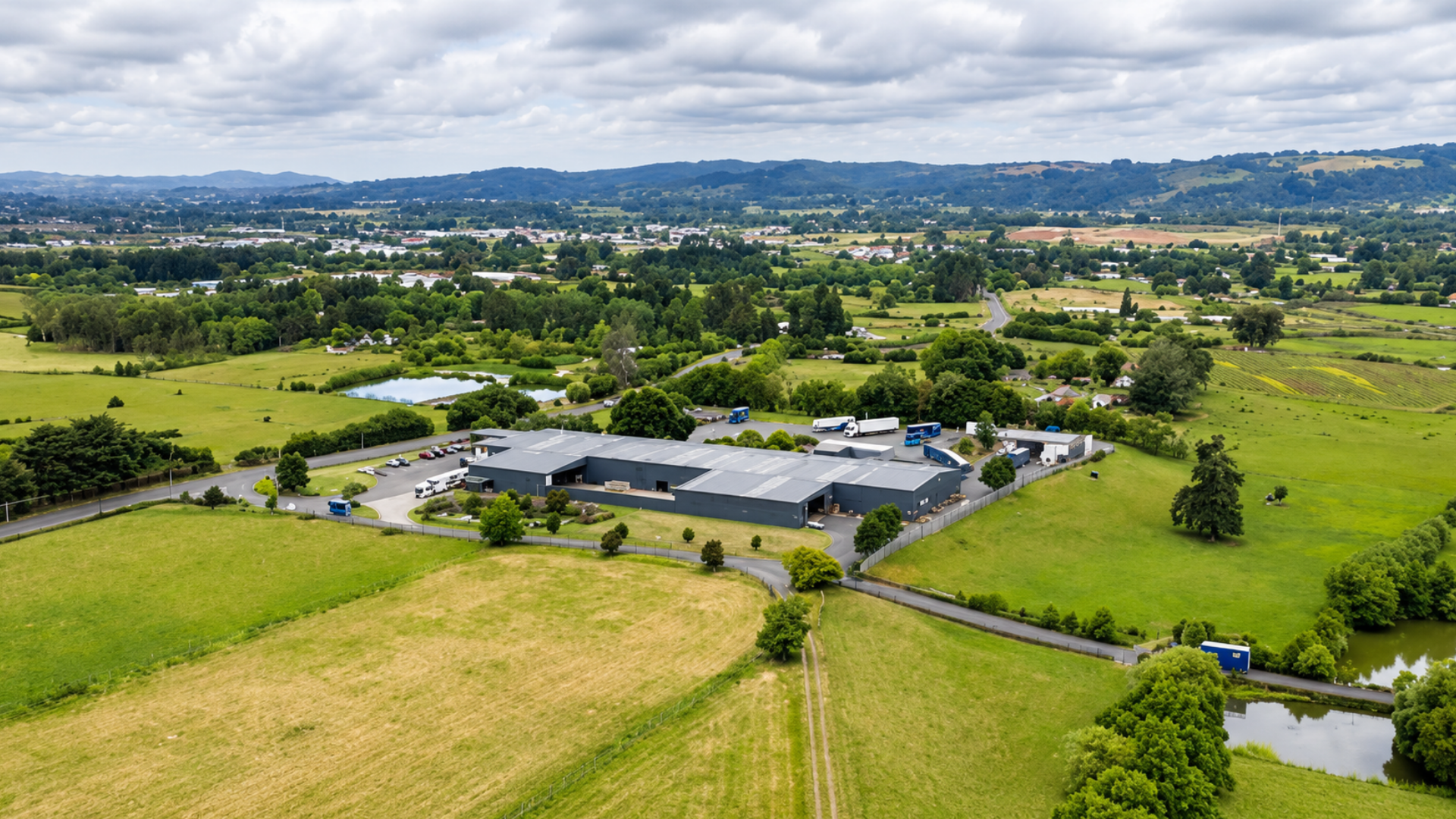
The site is close to State Highway 22 and the planned Ngākōroa railway station.
While the hospital's construction timetable is yet to be confirmed, securing the land is an important step towards providing healthcare for South Auckland's growing population.
These developments show how the area is being planned beyond residential housing alone.
For landowners, they also highlight why it's worth understanding what facilities are planned nearby, when they may be delivered and how they could influence future demand.
4. Growth Doesn't Automatically Mean Land Is Ready for Subdivision
This is where things become particularly relevant for landowners.
With new infrastructure and thousands of homes planned, it may be tempting to assume that any large property in Drury or Karaka has subdivision potential.
But that's not necessarily the case.
A property may be close to a proposed shopping centre, or railway station and still face significant development constraints.
For example, a site might have suitable zoning but insufficient wastewater capacity. Another may have good road access but require substantial earthworks or stormwater management.
Even two neighbouring properties can have very different development requirements.
Before considering subdivision, landowners need to understand several factors:
Zoning and planning rules: What type of development is permitted under the Auckland Unitary Plan?
Road access: Can the site safely accommodate the access needed for new residential sections?
Water and wastewater: Are suitable connections available, and is there enough capacity?
Stormwater and ground conditions: How will drainage, flooding risks, slopes and earthworks affect the design?
Development costs: What infrastructure work, council contributions and professional services may be required?
These are not minor details.
They can affect the number of sections a site can accommodate, the cost of development and whether a proposed subdivision is financially practical.
Auckland Council's development contributions policy is another consideration, as new developments contribute towards infrastructure needed to support growth.
This is why early site assessment is so important, particularly in areas where infrastructure is still being delivered.
5. What Landstone's Auckland Projects Tell Us About Good Development
The opportunities and challenges facing Drury and Karaka are not unique.
Across Auckland, residential subdivisions have required developers to work with different land conditions, planning requirements and infrastructure needs.
Landstone's completed projects provide examples of how these challenges can be approached.
Scott Point Marina, Hobsonville
This 198-lot waterfront subdivision required careful planning, civil infrastructure, and site formation.
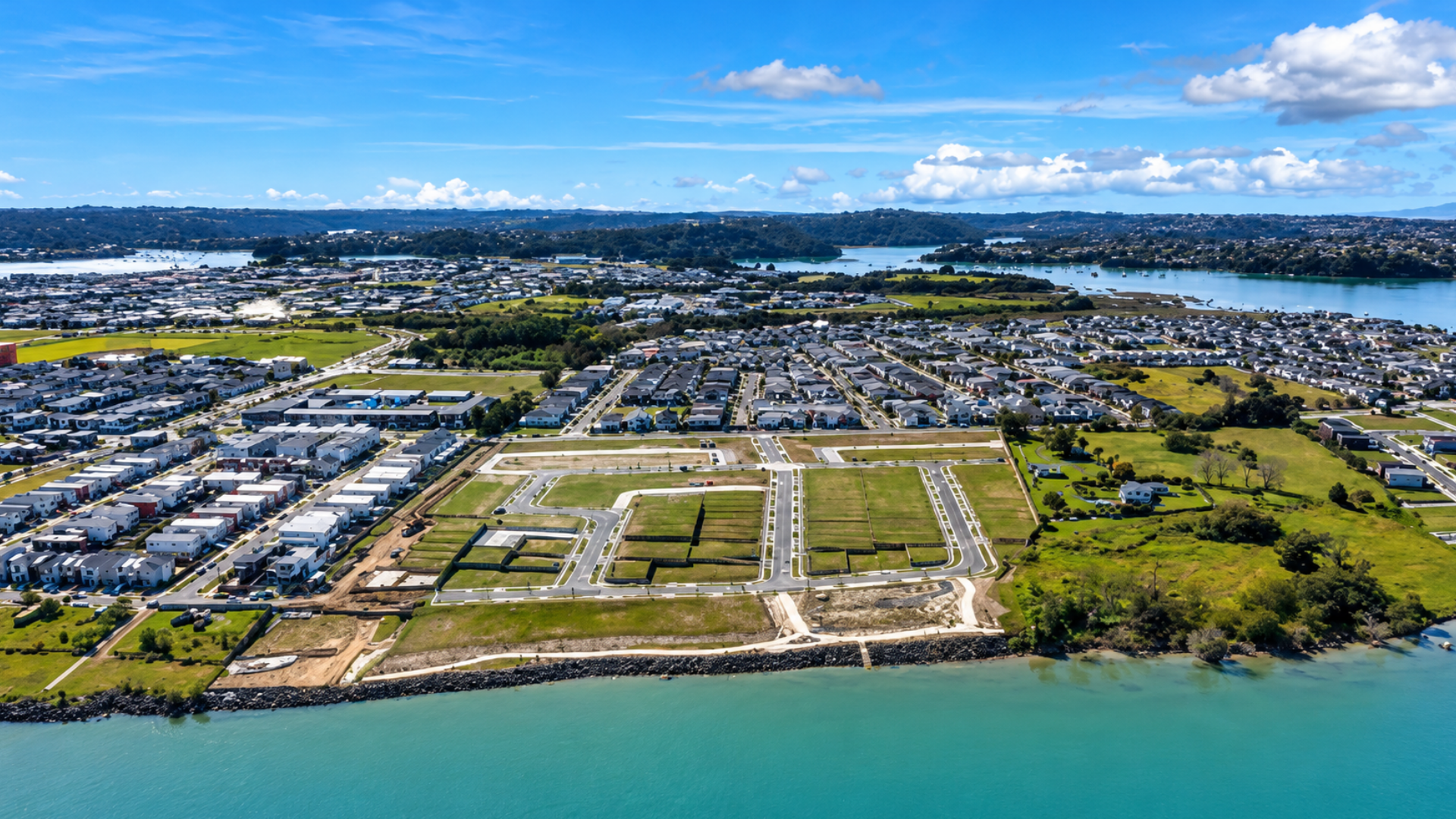
The development layout responded to its coastal location, with different lot sizes and orientations designed to support future residential housing.
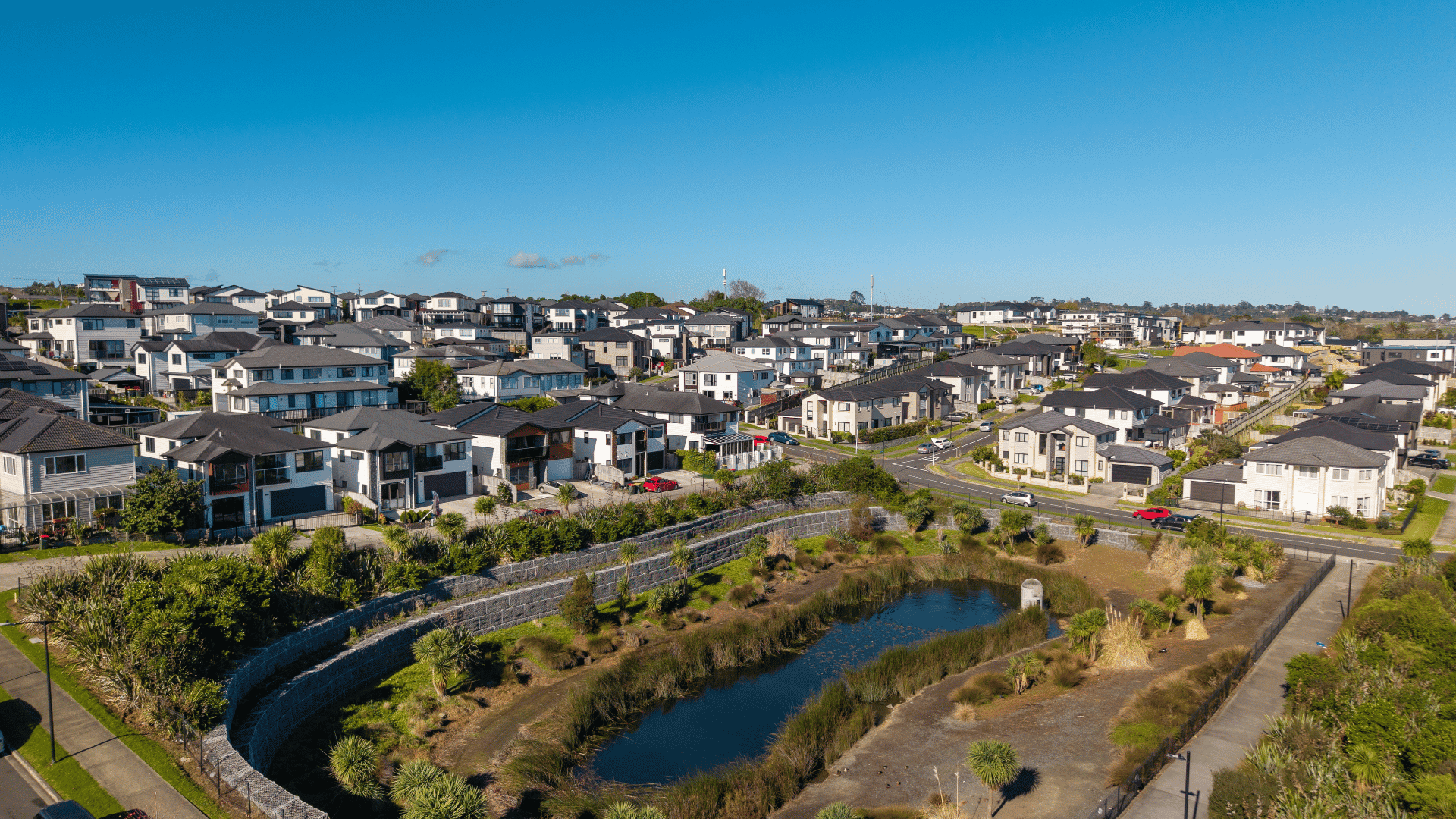
Ormiston Grove, Flat Bush
At Ormiston Grove, Landstone developed 103 residential lots on a substantial greenfield site.
The subdivision required roads, infrastructure and development platforms to be planned around changes in ground levels and natural water features.
These two projects demonstrate an important point: successful subdivisions are not simply about dividing land into smaller sections.
The location, physical conditions and infrastructure requirements determine how a site should be developed.
Landstone works alongside trusted industry professionals to manage these details and prepare quality, build-ready sections.
For landowners considering future development, this experience can help inform the decisions that need to be made before construction begins.
What Could the Next 10 Years Mean for Drury and Karaka?
Drury and Karaka are areas worth watching, particularly as transport, employment and community infrastructure continue to develop.
The new railway stations are already operating. Land has been secured for future education and healthcare facilities. Commercial developments and residential neighbourhoods are progressing through different stages of planning and construction.
But not everything will happen at once.
Some projects are already completed, while others will take years to deliver. Funding, infrastructure capacity, approvals and market demand will continue to influence the pace of development.
For landowners, the opportunity is not simply about waiting for the area to grow.
It's about understanding what their land can realistically support, how future infrastructure may affect it and what needs to happen before development becomes possible.
Considering a subdivision or have land with development potential?
Landstone brings experience in subdivision planning, infrastructure coordination and preparing land for residential development.
Get in touch with the Landstone team to discuss your project and the steps involved in turning land into quality, build-ready sections.